
The Gut-Brain Connection: A New Clue to Cognitive Aging
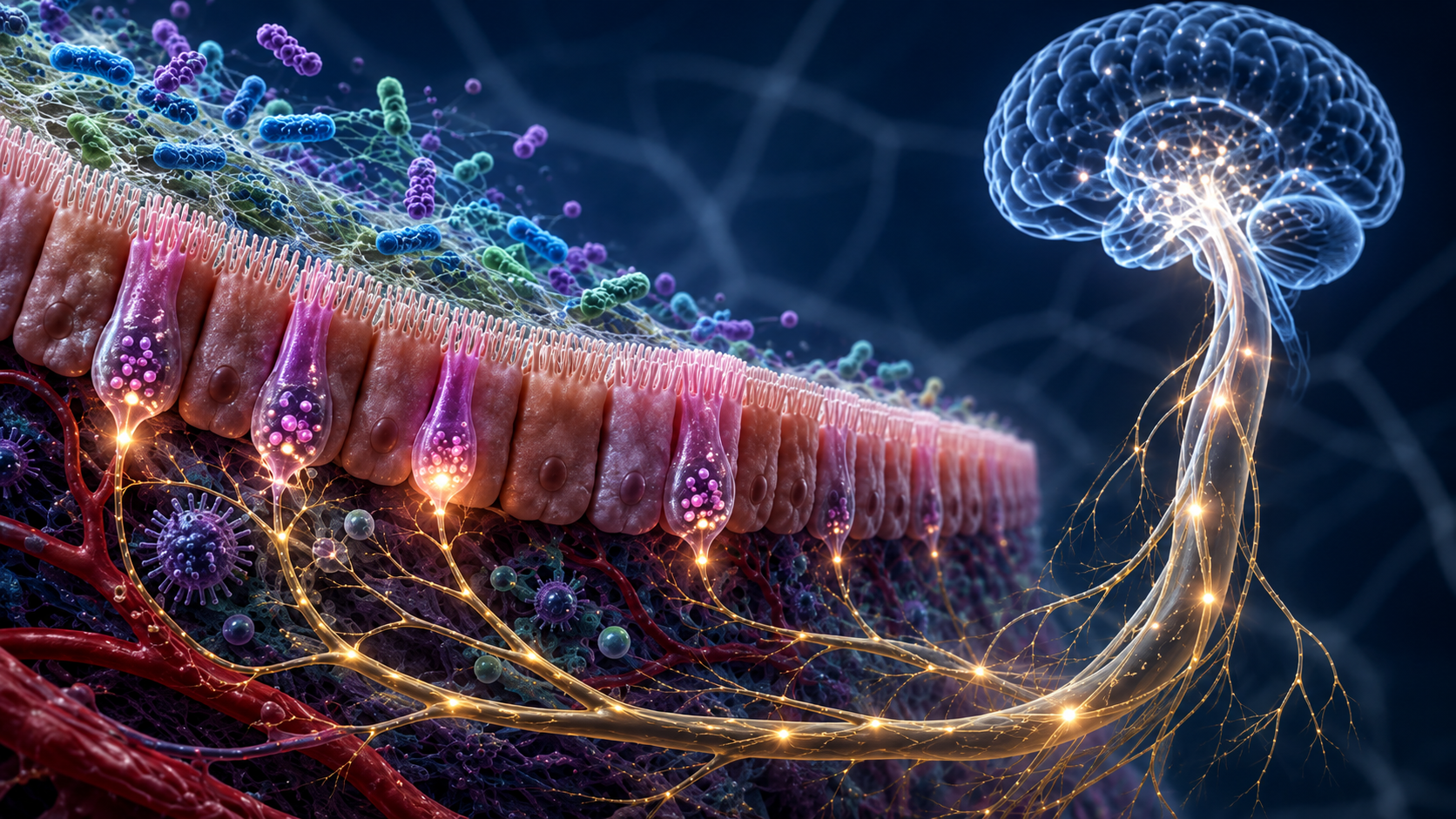
For years, scientists have known that the gut and brain communicate through a complex network known as the gut-brain axis. This two-way communication helps regulate digestion, appetite, immune function, and even mood. While researchers have long suspected that changes in the gut may influence brain health, exactly how this communication affects memory and cognitive aging has remained largely unclear.
In a recent study published in Nature, researchers from the University of Pennsylvania and Stanford University investigated how age-related changes in the gut microbiome affect communication between the intestines and the brain. Using aging mice, they discovered that shifts in gut bacteria triggered inflammation that disrupted signaling along the vagus nerve (the primary communication pathway between the gut and brain) ultimately impairing memory formation. Even more remarkably, restoring this communication improved cognitive function in older mice. (1)
These findings suggest that age-related memory decline may not be driven solely by changes within the brain. Instead, scientists are beginning to recognize that communication between the gut, nervous system, and brain may play a much larger role than previously understood.
Looking Beyond the Brain
For decades, age-related memory loss has primarily been viewed as a problem that begins within the brain. The researchers discovered that healthy communication between the gut and brain depends on specialized sensory nerve cells in the intestine that continuously monitor the gut's internal environment. These cells relay information through the vagus nerve allowing the brain to respond to changes occurring within the digestive tract. (1)
As the mice aged, however, this communication became weaker. The researchers found that age-related changes in the gut microbiome triggered inflammation that interfered with these sensory nerve cells, reducing the signals reaching the brain. This impaired communication was associated with reduced activity in the hippocampus, the region of the brain responsible for learning and memory. (1)
Restoring the Conversation
One of the research team's most surprising findings came when they attempted to restore communication between the gut and brain.
Rather than directly targeting the brain, they stimulated the gut's sensory signaling pathway. Doing so improved hippocampal activity and allowed older mice to form memories more similarly to younger animals. (1)
These findings suggest that maintaining healthy gut-to-brain communication may play a larger role in cognitive aging than previously recognized.
Rather than functioning as separate systems, the gut and brain appear to work together through a constant exchange of neural, immune, and microbial signals.
Why This Research Matters
The gut-brain axis has become an increasingly important area of research in recent years, with scientists exploring how gut microbes influence far more than digestion alone. Gut bacteria produce metabolites that interact with immune cells, communicate with the nervous system, and influence signals traveling through the vagus nerve. Growing evidence suggests that the health of the gut may influence multiple aspects of brain function, including memory, learning, and healthy aging. (2,3)
The new findings provide one of the clearest biological explanations yet for how age-related changes in the gut microbiome may contribute to cognitive decline by identifying a specific communication pathway linking intestinal health with memory formation. While scientists have long recognized that the gut and brain communicate, this research helps explain one of the mechanisms behind that relationship. (1)
What Does This Mean for Healthy Aging?
Discoveries like this continue to reshape how scientists think about aging. Rather than viewing memory decline as a process driven solely by changes within the brain, researchers are beginning to recognize that the gut, immune system, nervous system, and microbiome may all play interconnected roles in maintaining cognitive health throughout life.
As research continues, understanding how the gut communicates with the brain may open new opportunities to better understand cognitive aging and identify new approaches for supporting brain health across the lifespan.
At Katallage Wellness, we believe studies like these remind us that the body's systems rarely function in isolation. The gut, brain, immune system, and nervous system are constantly communicating with one another, and discoveries like this highlight how those connections may influence health in ways we're only beginning to understand.
References
Cox TO, Devason AS, de Araujo A, et al. Intestinal Interoceptive Dysfunction drives Age-associated Cognitive Decline. Nature. 2026.
Stanford Medicine. Enhancing Gut-Brain Communication Reversed Cognitive Decline, Improved Memory Formation in Aging Mice. 2026.
National Institutes of Health. Weakened Gut-Brain Connection May Contribute to Memory Loss. 2026.