

INTEGRATIVE & FUNCTIONAL MEDICINE INFO & ARTICLES
Stories, Science & Soulful Insights

Travel, Stress & Summer Indulgence: How to Reset Your Metabolism Without a Detox by Nia Nikolova
Vacation can leave your routine feeling a little off, but does your body really need a “detox” to get back on track? Not necessarily. After travel, late nights, restaurant meals, and summer indulgence, the most effective reset may be much simpler than you think. Learn what happens when your usual habits are disrupted and why returning to the basics can help support hydration, digestion, blood sugar, sleep, and metabolic health without restrictive diets or extreme fasting.

Back to Rhythm: Why Meal Timing, Sleep & Movement Matter for Cardiometabolic Health by Nia Nikolova
Our bodies run on an internal clock that influences far more than sleep. Research shows that the timing of meals, light exposure, sleep, and movement can affect glucose regulation, insulin sensitivity, blood pressure, and energy use. But what happens when our daily routines fall out of sync? From eating earlier in the day to getting morning light and moving after meals, small changes may help support the rhythms that keep your metabolism working efficiently. Discover the science behind your body’s daily clock and how to work with it.
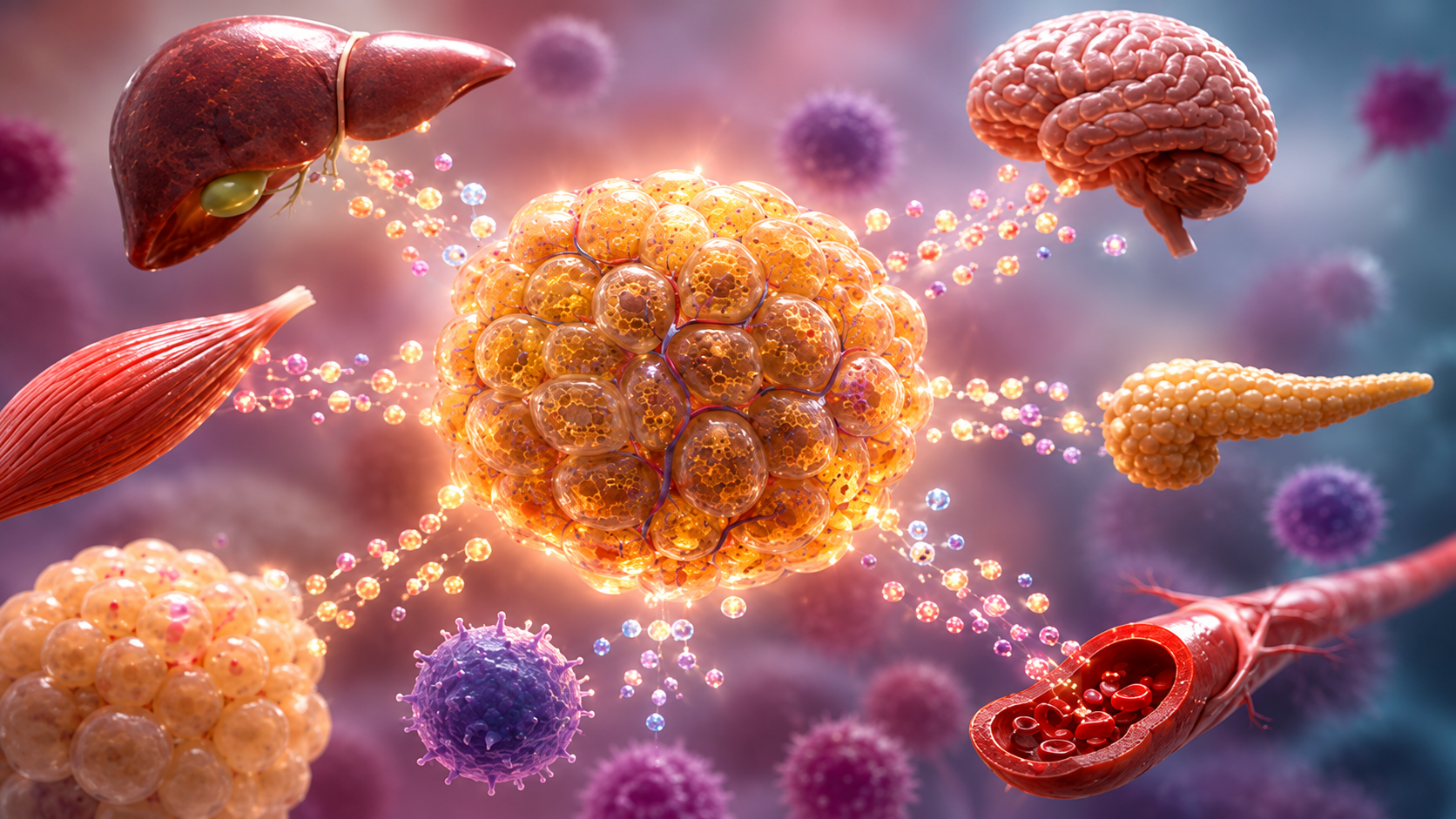
Brown Fat: More Than the Body's Internal Furnace
For years, brown fat has been viewed as the body's internal furnace—a specialized type of fat whose primary purpose is to generate heat when we're exposed to cold. However, emerging research is beginning to challenge that long-held view. Scientists are discovering that rather than simply burning calories, brown fat may also function as an endocrine organ, releasing signaling molecules that communicate with organs throughout the body and influence metabolism, inflammation, and overall metabolic health. Although much of this research is still in its early stages, it is reshaping how scientists think about body fat by suggesting that some fat may be far more biologically active than previously believed.
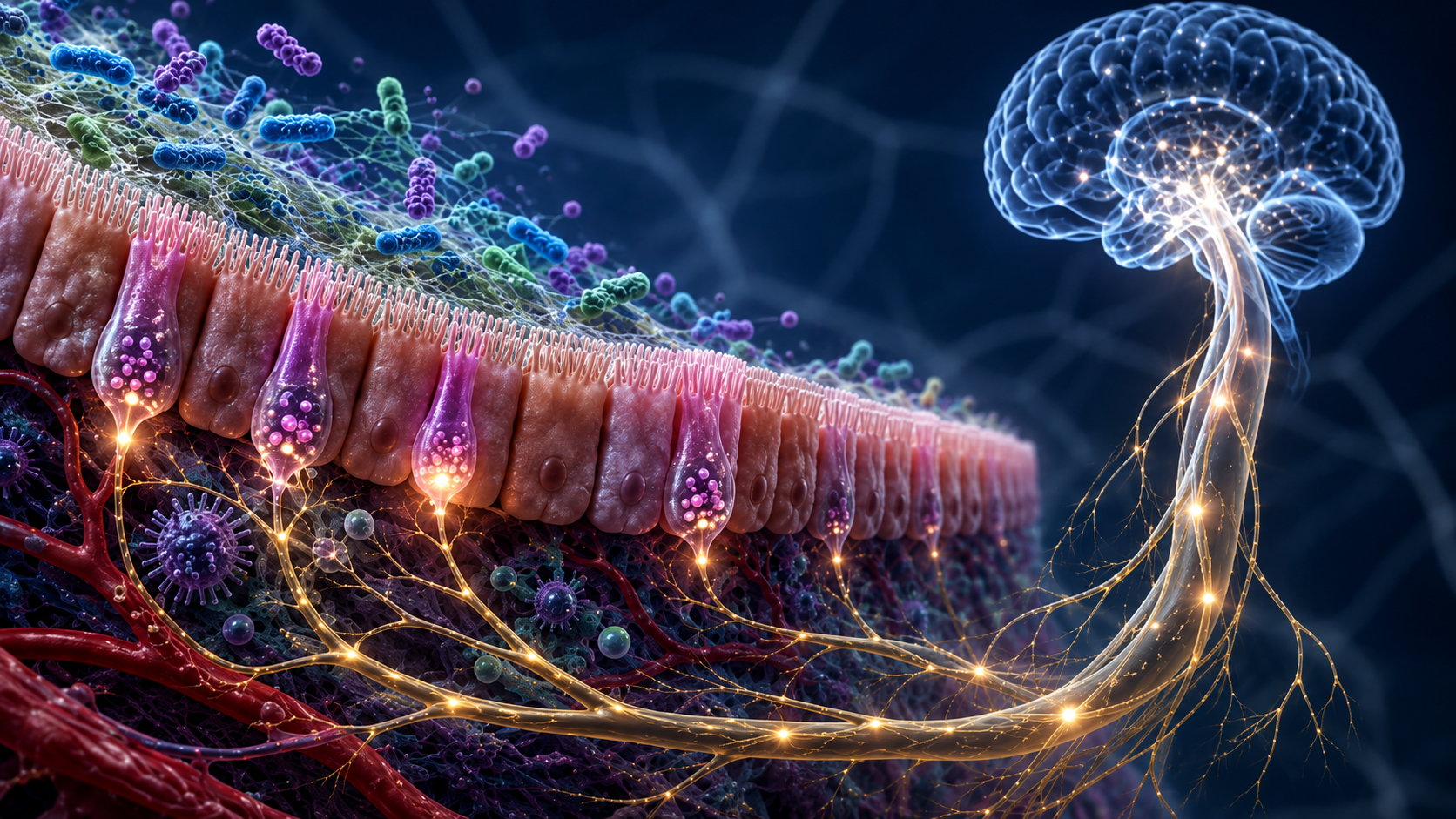
The Gut-Brain Connection: A New Clue to Cognitive Aging
Scientists have long recognized that the gut and brain are closely connected, but new research is beginning to reveal just how important that connection may be. Emerging findings suggest that changes within the digestive system could influence healthy brain aging through biological pathways researchers are only beginning to understand. Although these discoveries are still early, they are expanding our understanding of the gut-brain axis and highlighting the remarkable ways different systems of the body communicate with one another.
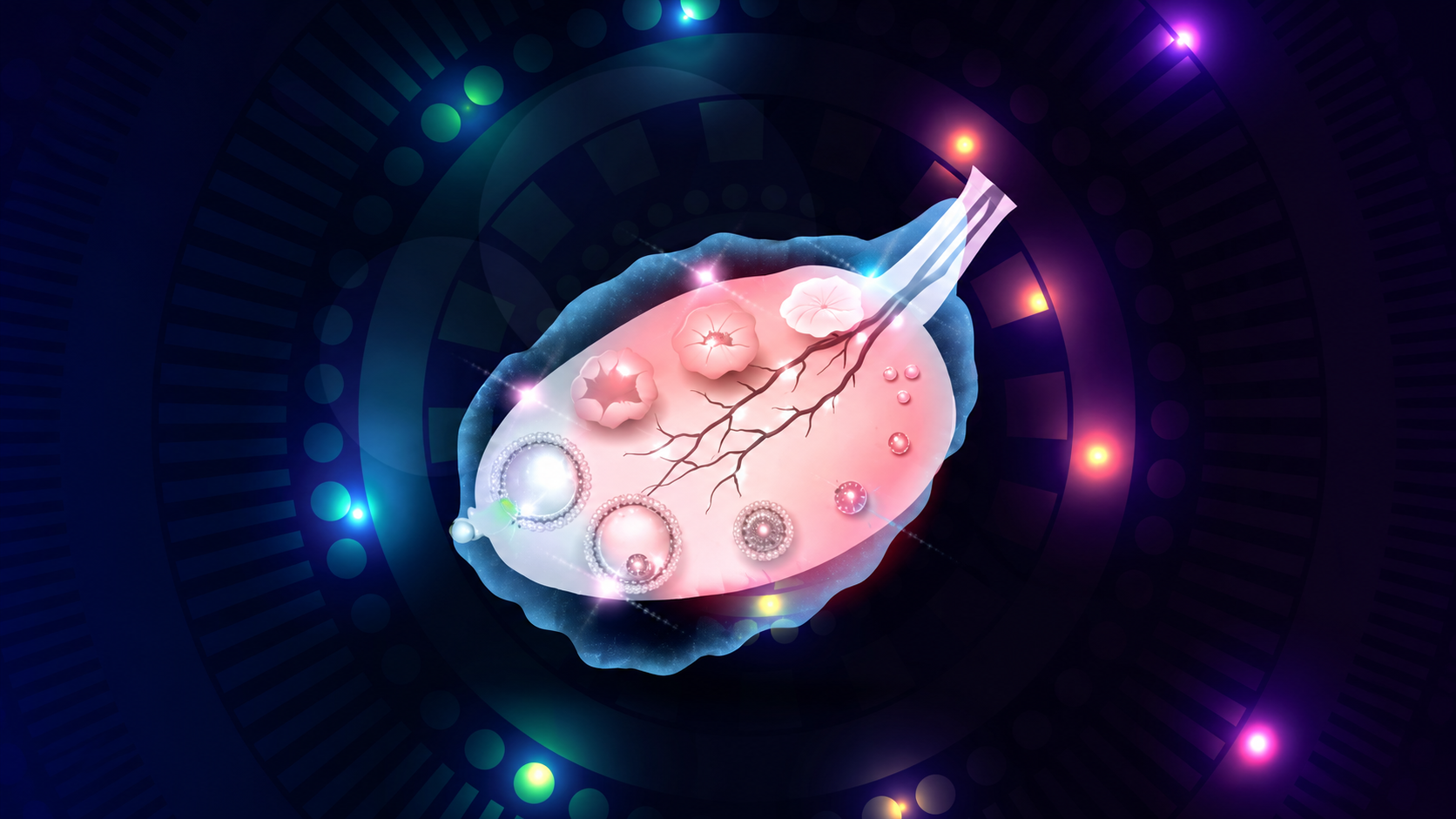
The Hidden Biology of the Postmenopausal Ovary
For years, the postmenopausal ovary has been thought of as an organ whose job is essentially finished once reproduction ends. However, emerging research is beginning to challenge that long-held belief. Scientists are discovering that rather than simply becoming inactive, the ovary may continue playing an active role by shifting toward immune-related processes that could influence inflammation, tissue remodeling, and healthy aging. Although these findings are still early, they are opening an entirely new conversation about life after menopause by suggesting that the postmenopausal ovary may be far more biologically active than previously believed.
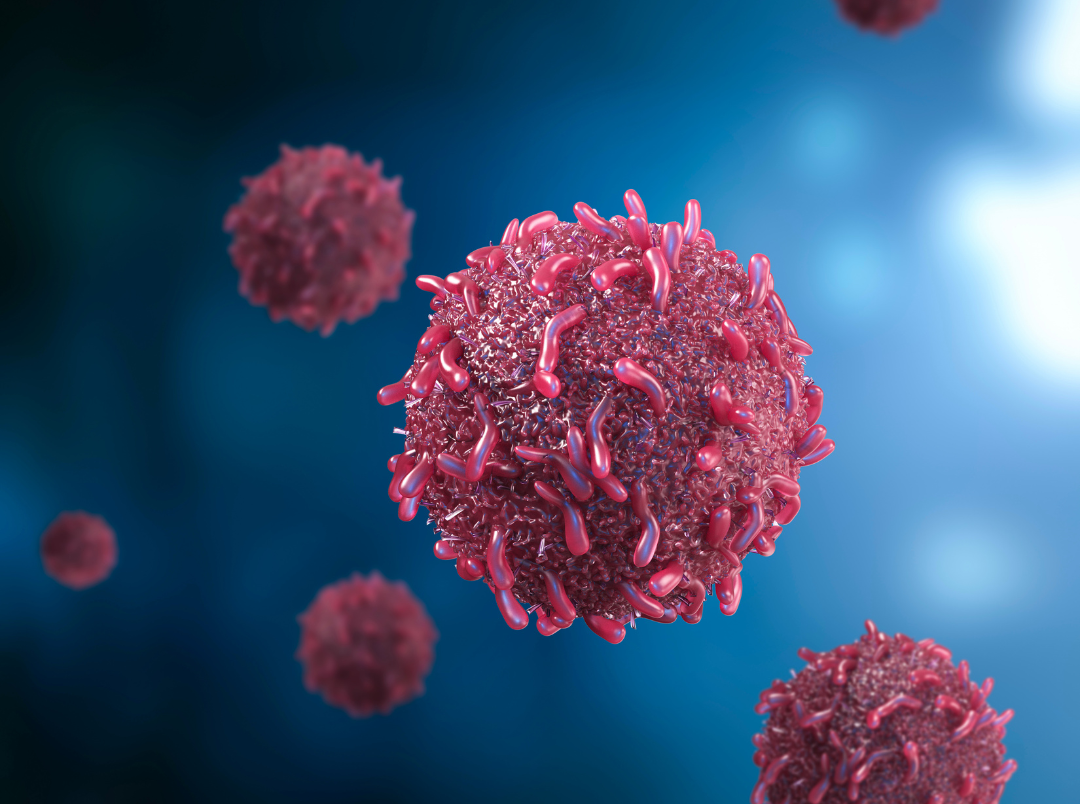
Microbial Therapeutics in Cancer
Another hallmark of cancer is evading immune destruction, which means cancer cells are able to avoid being recognized and cleared by the body’s natural defenses. In a healthy organism, the immune system helps protect the integrity of the whole by identifying what does not belong and responding to it. In cancer, abnormal cells may begin to hide, confuse, or weaken this protective response, allowing them to remain in the body and continue growing. From an anthroposophic perspective, this can be understood as a loss of healthy recognition and boundary, where the organism’s ability to perceive and respond to disorder has been diminished.

Breast Cancer Monitoring: Why We Track More Than “How You Feel”
For many breast cancer survivors, one of the hardest parts of healing is the uncertainty of not knowing what may be happening beneath the surface. This article explains why monitoring can involve more than simply tracking how you feel, including the growing role of circulating tumor DNA tests such as Signatera. These tests may help detect molecular signs of recurrence earlier than imaging in some cases, although they are still being studied and are not yet a stand-alone standard for treatment decisions. At Katallage Wellness, we see monitoring as a tool for clarity, not fear, and pair that insight with thoughtful integrative support that strengthens resilience, recovery, and the whole person alongside oncology care.

Rhodiola, Prostate Cancer Signaling, and Mistletoe: A Katallage Perspective on Integrative Support
A recent study looked at salidroside, a natural compound found in Rhodiola rosea and found that it may influence important signaling pathways in prostate cancer cells in the laboratory. While this does not mean Rhodiola is a treatment for prostate cancer, it does help us better understand how certain botanicals may support the body’s resilience, especially in the areas of stress, inflammation, and oxidative balance. At Katallage Wellness, we believe cancer care should support the whole person. Alongside a patient’s oncology plan, we thoughtfully explore options such as metabolic nutrition, IV support, and anthroposophic-informed therapies like mistletoe to help strengthen vitality and quality of life.

Neural Therapy at Katallage Wellness Center
Neural Therapy is a medical injection system that identifies and treats disturbances in the body’s neurological control mechanisms—often referred to as “interference fields.” According to the North American Academy of Neural Therapy (NAANT), these interference fields can occur almost anywhere in the body, are often subtle, and are treated with small injections of dilute procaine or other local anesthetics with the goal of restoring healthy autonomic regulation.

Spring Detox Support: What “Detoxification” Really Means (and How to Support It Safely)
This spring, Katallage Wellness is introducing a new Detox Pathway Support IV Series designed to nourish the body’s natural detoxification systems—not with extreme cleanses, but with targeted, evidence-informed support for the liver and antioxidant pathways. Detoxification is a daily biologic process, centered in the liver’s phase I and phase II pathways, which rely on key nutrients—especially B vitamins and specific amino acids—to safely process and eliminate metabolic byproducts, hormones, and environmental exposures. Our new IV includes NAC, glycine, glutathione (GSH), and a B-complex, and is offered as a 4-week series (once weekly) paired with the Renew Food Plan, a modified elimination-style nutrition plan that helps reduce inflammatory load, identify food triggers, and support gut-liver clearance. Plus, time with Shana our Dietitian certified through the Institute for Functional Medicine; she can hold your hand each step of the way. The goal is improved resilience—more stable energy, clearer thinking, better digestion, and reduced reactivity—through a structured, clinically guided spring reset.

How environment, immune signaling, food triggers, and GI health can stack your “allergy load” — and what to do about it
Spring can raise the body’s total inflammatory burden—pollen exposure, sleep disruption, travel, alcohol/sugar at gatherings, and stress can combine into a “stacked” effect.
In clinic, we commonly see:
More congestion, headaches, brain fog
Flare-ups of skin issues
GI sensitivity or histamine-like symptoms
Increased fatigue and reactive cravings
This month we’re focusing on supportive foundations:
Regular sleep/wake timing
Protein-forward breakfasts for stable glucose
Hydration + electrolytes
Strategic anti-inflammatory foods (omega-3s, herbs, bitter greens)

Cooking With Your Circadian Rhythm: A Clinical Strategy to Improve Insulin Sensitivity
For years, nutrition conversations have focused primarily on what we eat. Increasingly, clinical research shows that when we eat plays a significant and independent role in metabolic health.
This article dives into how the human physiology follows a circadian rhythm; an internal 24-hour clock that regulates hormone secretion, glucose metabolism, digestive efficiency, mitochondrial activity, and insulin responsiveness.

Neural Therapy and Advanced Cardiovascular Testing: A Systems-Based Approach to Vascular Health
Cardiovascular disease is often reduced to a discussion about cholesterol. Yet decades of research have made it clear that atherosclerosis is not merely a lipid-storage disorder but a dynamic process driven by vascular inflammation, oxidative stress, endothelial dysfunction, thrombosis biology, and autonomic nervous system imbalance.
In this article we can dive into - how can precision advanced testing and treating the autonomic nervous system improve cardiac outcomes?
Looking Beyond Cholesterol: Measuring What Truly Drives Cardiovascular Risk
February is nationally recognized as Heart Health Month — a time to reflect on the true drivers of cardiovascular disease and, more importantly, how we can prevent it.
For decades, standard cholesterol panels have been used to assess risk. While helpful, traditional markers such as total cholesterol and LDL alone do not fully capture an individual’s cardiovascular risk. Many patients with “normal cholesterol” still experience cardiac events. Why is this you ask? Because heart disease is far more complex than a single cholesterol number. Read our article to learn more.

Exerkines, Neurodegeneration, and Ketogenic Metabolic Therapy: A clinically grounded approach to brain health
This article explores how exercise supports brain health through exerkines—powerful signaling molecules that improve insulin sensitivity, reduce inflammation, and enhance mitochondrial function and neuroplasticity. It also explains how combining structured movement with Ketogenic Metabolic Therapy can create a synergistic, clinically grounded approach to protecting the brain, supporting cognitive resilience, and addressing neurodegeneration at its metabolic roots.

Mood, Metabolism, and the GABA–Glutamate Balance
This article explores how the balance between GABA and glutamate, nutrition, metabolism, and inflammation directly influences mental health. Discover why anxiety and depression are not only emotional, but also metabolic, and how food, key nutrients, and ketogenic approaches can help restore brain stability from the ground up.

How does information from the FOURIER study stack up against preventive lifestyle interventions?
This article reviews the ongoing debate in cardiovascular prevention—medications versus lifestyle—through the lens of the FOURIER trial and a subsequent BMJ Open reanalysis that questioned how mortality data were classified and reported. Using this controversy as a teachable moment, it highlights the importance of evaluating therapies by their impact on “hard outcomes” (heart attack, stroke, hospitalization, and mortality), not biomarkers alone, and of understanding absolute risk reduction and data transparency.

Saturday Brain Wellness Class (90 minutes)
Katallage Wellness Center is pleased to announce a new weekly movement and brain-health class, hosted every Saturday 90 minutes by clinician Adolfo Valhuerdi. This class integrates evidence-informed movement, rhythm, and mind–body practices designed to support neuroplasticity, emotional regulation, and long-term brain vitality.