
The Hidden Biology of the Postmenopausal Ovary
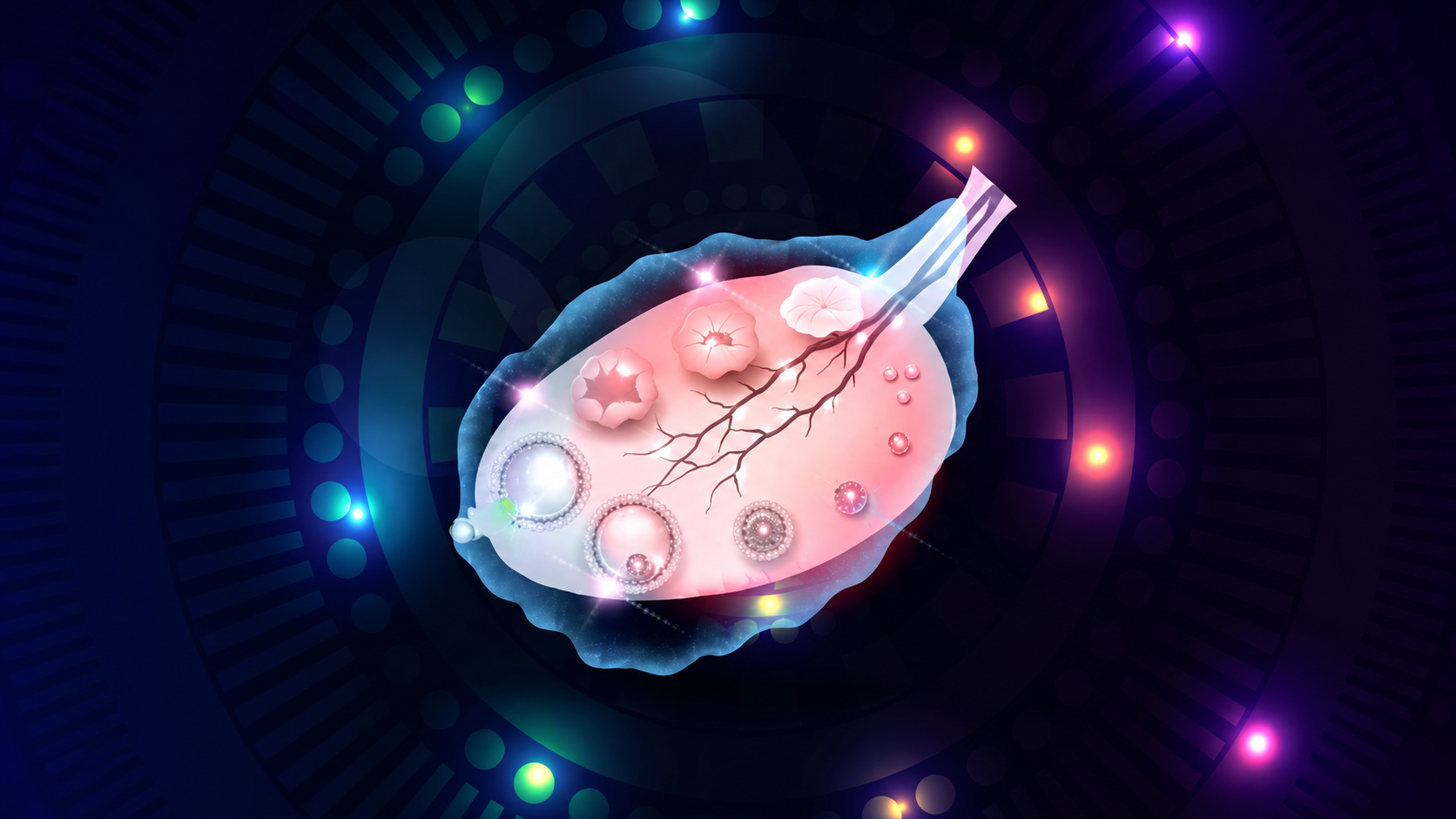
For most of a woman's life, the ovaries are known for two main functions: producing eggs and making hormones like estrogen and progesterone. These hormones do much more than regulate the menstrual cycle. They also influence bone health, cardiovascular health, metabolism, brain function, and many other systems throughout the body.
Once menopause begins, estrogen and progesterone levels decline, ovulation stops, and reproductive function comes to an end. Because of this, the ovaries have long been viewed as organs that become inactive after menopause.
But new research suggests they may not be finished yet.
Scientists are starting to explore the possibility that the postmenopausal ovary doesn't just "shut down." Instead, it may start to function as a different type of organ– one that plays a role in immune signaling and the aging process.
Looking Beyond Reproduction
Until recently, most research on the ovaries has focused on their role in reproduction. Thanks to newer technologies like genetic sequencing, scientists are now able to take a much closer look at what happens after menopause.
In a recent study, researchers examined ovarian tissue from young and aged mice using single-cell RNA sequencing, a technology that allows scientists to identify individual cell types and understand what those cells are doing. (1)
As expected, the aging ovaries contained fewer cells involved in reproduction. What surprised researchers was the significant increase in immune cells. They observed higher numbers of T cells, macrophages, and multinucleated giant cells, along with changes in gene expression that suggested the ovaries were becoming more involved in immune-related processes than reproductive ones.
These findings suggest that after menopause, the ovaries may take on a new role that is more closely linked to the immune system than reproduction. (1, 2)
Why Would the Ovary Become More Immune-Focused?
The answer isn't completely clear yet, but scientists have several theories.
The immune system is involved in much more than fighting infections. It also helps repair damaged tissue, remove aging or dysfunctional cells, regulate inflammation, and maintain healthy organ function throughout life.
It's possible that as the ovaries age, immune cells help remodel ovarian tissue and clear away cells that are no longer needed. Researchers also believe these immune cells may communicate with other organs by releasing signaling molecules that influence inflammation and healthy aging.
Why This Research Matters
Although the study was conducted in mice, it raises important questions about how we think about menopause. (1)
For years, menopause has often been described as the point when ovarian function comes to an end. This research suggests that reproductive function may end, but ovarian biology may continue.
If future studies confirm similar findings in humans, they could improve our understanding of how menopause affects immune function, inflammation, and overall health. They may also help explain why menopause is associated with changes that extend far beyond the reproductive system.
Rather than viewing menopause as an ending, researchers are beginning to see it as a transition into a different stage of ovarian function.
What Does This Mean for Women's Health?
It's important to remember that these findings are still early. The current study was performed in mice, and researchers don't yet know exactly how these changes translate to humans or whether they influence disease risk or healthy aging.
Still, discoveries like this highlight how much there is left to learn about the female body. The ovaries have traditionally been studied through their role in fertility, but their function may be broader than previously thought.
As research continues, understanding how the ovaries interact with the immune system could open new opportunities to better understand menopause, aging, and women's health across the lifespan.
At Katallage Wellness, we believe that staying current with emerging research helps us better understand the body's interconnected systems. Studies like this remind us that health is rarely defined by a single organ or hormone– instead, it reflects the ongoing communication between our hormones, immune system, metabolism, and overall physiology.
References
Converse A, et al. The Post-Reproductive Ovary shifts from a Reproductive to an Immune-like Organ. Molecular Human Reproduction. 2026.
Science. After Menopause, Ovaries may Transform into Organs with Immune Powers. 2026.
Galligos A, et al. Multicellular Origins of Murine Ovarian Inflammaging. Communications Biology. 2026
Bazzano MV, et al. Beyond Defence: Immune Architects of Ovarian Health and Development. Frontiers/PMC review. 2024.